en
en
Key takeaway: investing in a stone building in the Luberon guarantees a solid piece of heritage, where centuries-old charm meets modern comfort. This safe-haven asset does however require rigorous upkeep by qualified craftspeople to preserve the authenticity of the building. A non-negotiable condition for these prestige properties, which can exceed two million euros.
Acquiring a stone house in the Luberon often represents the culmination of a life project, yet the fear of endless restoration or costly upkeep can legitimately give buyers pause. Beyond the initial love affair with the property, we analyse the technical and financial realities that allow these old stones to become a lasting and rewarding piece of heritage. Discover the secrets of a successful renovation that enhances the Provençal character while securing the value of your investment over the long term.
Stone here is not simply a building material; it is the very DNA of the region. The Luberon limestone, with its warm beige tones, captures the light like nothing else.
Run your hand along a wall and you will feel history beneath your fingers. Its raw texture ensures a perfect integration into the landscape and conveys an impression of unshakeable solidity. It is precisely this particular grain that gives these homes their old-world character and raw authenticity.
This traditional method gave rise to the legendary Provençal mas. It is an architectural heritage that cannot be replicated.
Buying here is committing to a radical lifestyle choice for yourself and your family. Settling near Gordes, Bonnieux or Ménerbes is never accidental; it is a pursuit of excellence.
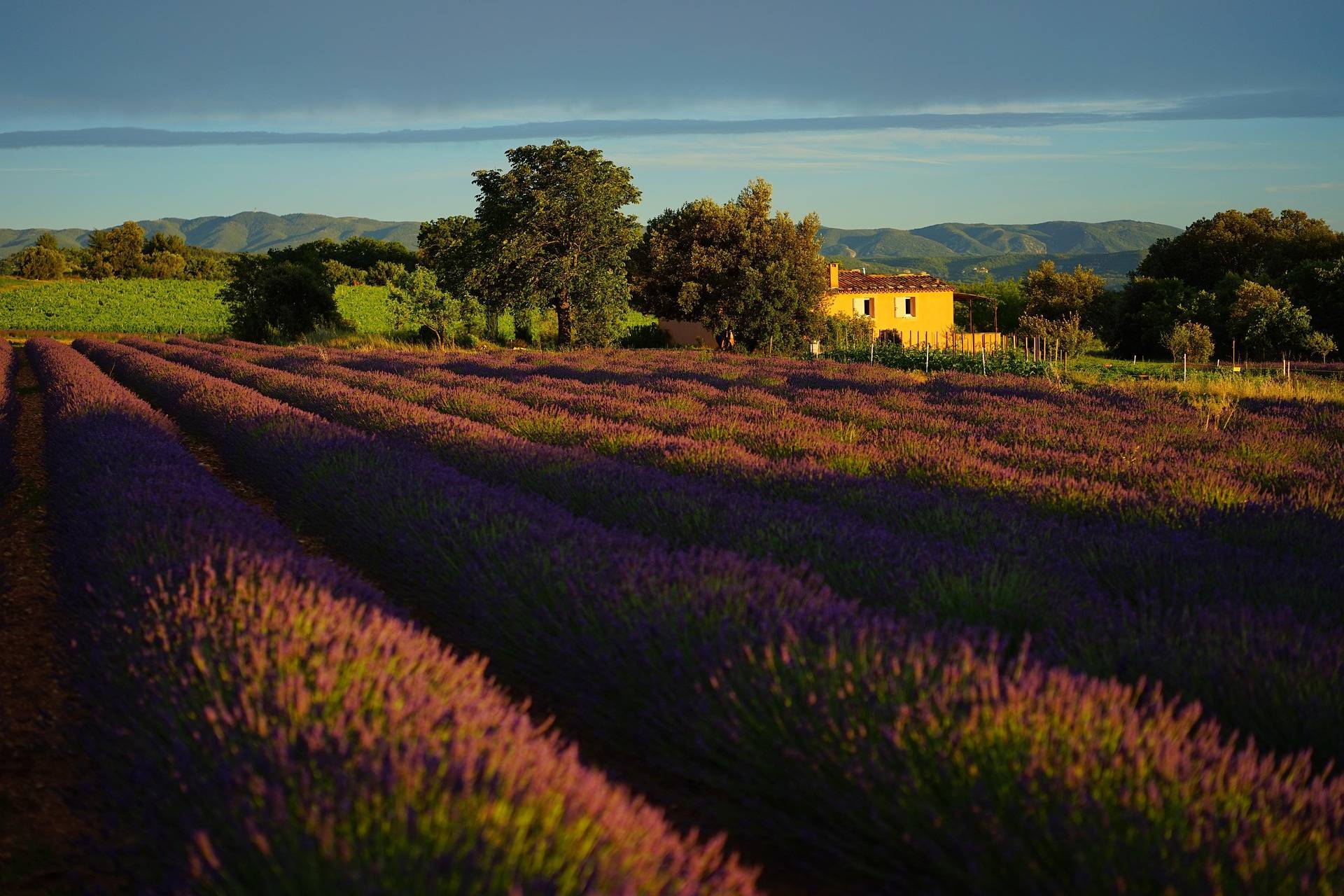
The panoramic views over the Luberon are breathtaking. Olive gardens and discreet swimming pools define this high-end property market where nature takes centre stage.
Here is what wins over discerning buyers:
These buildings are not dusty museums frozen in time. Most have been fully restored to offer contemporary luxury without betraying their history. Solid oak is paired with raw stone with surgical precision.
Picture an ultra-contemporary kitchen installed within an authentic Luberon stone house whose walls have stood for centuries. This balance is the secret of their success in the Provençal prestige market. It truly is the best of both worlds.
This authentic charm comes at a price that goes beyond euros alone. For a stone building to stand the test of time, it requires a very particular kind of attention.
Stone is not an inert material; it lives and breathes with the changing seasons. Standardised solutions smother the material. Only craftspeople specialising in traditional masonry know how to read these centuries-old walls.
They reject modern cement in favour of lime render. This ancestral technique allows moisture exchange to occur naturally. A respectful restoration keeps damp at bay and ensures the longevity of the building.
Engaging these experts is not an expense; it is a secured investment. Their work protects the structure from irreversible deterioration, avoiding costly repairs a decade down the line. This precision work often comes with a ten-year structural guarantee.
Your investment does not stop at the facade; it encompasses the entire surrounding ecosystem. Maintaining a Provençal garden requires an expert hand to preserve the visual harmony. Neglected outdoor spaces immediately diminish the overall character of the property.
Entrusting these tasks to specialist landscapers guarantees an impeccable result.
Be wary of well-intentioned ideas that irreparably strip a property of its character. Cement remains the number one enemy of stone.
| Intervention | Approach to avoid (generalist) | Recommended approach (specialist craftsperson) |
|---|---|---|
| Facade pointing | Cement mortar | Breathable lime render |
| Insulation | Synthetic impermeable insulation | Natural materials (hemp, cork) |
| Outdoor features | Exposed aggregate concrete | Cobblestone pathways and terraces in local natural stone |
Every technical mistake weakens the structure and reduces the heritage value of your Luberon stone house. Respecting ancestral expertise is not nostalgia; it is sound economic pragmatism to maintain a strong market position.
Upkeep is not a chore but a collaboration. It is a constant dialogue with the building, conducted by expert hands who speak its language.
Dry stone walling is an ancestral art, recognised by UNESCO, that demands remarkable precision. It is an ecological and sustainable technique that quite literally shapes the Provençal landscape.
Beyond their raw beauty, these walls play a vital role in retaining land and marking plot boundaries. Entrusting this work to a local craftsperson is a mark of authenticity that immediately enhances the value of your property.
It is the details that catch the eye: natural stone cladding, bespoke window surrounds, patinated interior floors. These finishes, carried out by passionate craftspeople, create a harmony and visual coherence that can never be found in standard construction.
Here is what a specialist brings to the project:
This choice deserves careful thought. You are not looking for a simple builder but a partner with genuine craft expertise to bring out the best in your property.
How do you recognise the right one? They listen, respect the Provençal style and propose local materials. Verified client reviews frequently mention "careful workmanship" and "deadlines met", both reliable indicators of professionalism. It is this commitment to quality that ensures the renovation preserves the soul of the place.
These properties are not subject to the fluctuations of the standard market because their scarcity acts as a shield. Demand for this lifestyle remains remarkably robust. That is why buying a property in the Luberon is seen by those in the know as a genuine safe-haven investment.
The price is justified by a simple, inseparable trio: privileged location, quality of restoration and level of finish.
A breathtaking view over the Luberon, a perched village, or a natural stone swimming pool changes everything. Every outdoor detail, from the Provençal garden to the terraced hillside plots, carries significant weight in the final valuation.
A ruin bears no comparison to a renovated stone house in Gordes with contemporary finishes. It is the mastery of craft work, such as traditional masonry, that creates the real price differential. This standard of excellence explains why these exceptional properties frequently range between one and three million euros, and often considerably more depending on the character of the property.
Acquiring a stone house in the Luberon means becoming the custodian of a piece of Provençal history. Rigorous upkeep is simply the natural extension of that role, preserving the soul of the place for generations to come.
The investment is twofold: financial first, as long-term value remains solid, but also personal and cultural. This is a property that is passed down through families, where emotional value carries as much weight as market price.
Acquiring a stone building in the Luberon goes far beyond a simple property investment; it is the adoption of a timeless art of living. While the requirement for upkeep by passionate craftspeople is real, it remains the absolute guarantee of preserving this exceptional heritage and its market value for the long term.
A well-maintained stone house is virtually eternal. Luberon limestone is a robust material that withstands the centuries, provided the structure is allowed to breathe. This is why the use of ancestral techniques, such as lime render and traditional masonry without cement, is crucial to preserving this heritage. Such a building does not deteriorate; it develops a patina and gains in value over time, becoming a true legacy to pass on.
The main consideration is a quality requirement: modern impermeable materials such as cement or synthetic insulation, which would trap moisture, simply cannot be used. Maintenance requires the involvement of specialist craftspeople who are skilled in dry stone walling and lime wash finishes. The outdoor spaces, often extensive and well-planted, also require rigorous landscaping care, including statutory brush clearance to protect the property, a task that may qualify for tax advantages.
The market is clearly positioned at the high end. While village houses and properties requiring renovation can be found from around 500,000 euros, exceptional restored properties, particularly in Gordes or Bonnieux, are negotiated well above that. For a stone house with a swimming pool, views and high-quality finishes, prices frequently range between one and over two million euros, reflecting the rarity of the property and the quality of the craft renovation.
Renovating such a property is not a simple refurbishment; it is a restoration project that enhances the heritage. The cost depends on the condition of the structural work, but investment in noble materials (cut stone, oak, travertine) and skilled labour (master craftspeople, specialist stonemasons) is essential. While more costly than a standard renovation, this approach guarantees structural integrity and justifies the high resale value.
Location is inseparable from the value of stone. The Luberon "Golden Triangle" remains a reliable benchmark. Gordes, frequently cited as one of the most beautiful villages in France, is unmissable for prestige property. Villages such as Bonnieux, Ménerbes, Goult and Lourmarin also offer an exceptional quality of life and highly sought-after stone properties, combining authentic charm with panoramic views over the surrounding massifs.
This site is protected by reCAPTCHA and the Google Privacy Policy and Terms of Service apply.